

The White House issued a statement warning citizens about possible food supply disruptions.
In the United States, they do not exclude the possibility of price increases and shortages of products. The reason may serve failure in the logistics system, caused by a series of lockdowns across the country, writes Reuters news agency.
The White House issued a statement warning citizens about possible disruptions in the supply of food and essential commodities. In the spring of 2020, in the U.S. and European countries, there was a rush for products when consumers spent several hours in lines at the entrance of stores.
Today, market participants report that problems in supply chains can lead to higher consumer prices and difficulties in supplying products to grocery chains. The government is trying to solve the problem and prevent the effect of empty shelves in supermarkets.
“There will be things that people can’t get, and we hope that many of these items can be replaced with other things.” I don’t think there is any real reason to panic, but we are all disappointed, and patience is needed,” a White House source commented.
It is predicted that the inflation rate in the country on the background of restrictions and the general crisis could reach a record for the last forty years. Earlier, fears of food shortages were expressed by many experts working in the U.K. market, where there was also a threat of disruptions in the supply of goods due to the interruption of logistics schemes.

Gross margins and selected profit metrics for Coach, Pop Mart, lululemon, Miniso, Five Below, TJX and Costco, plus where each…
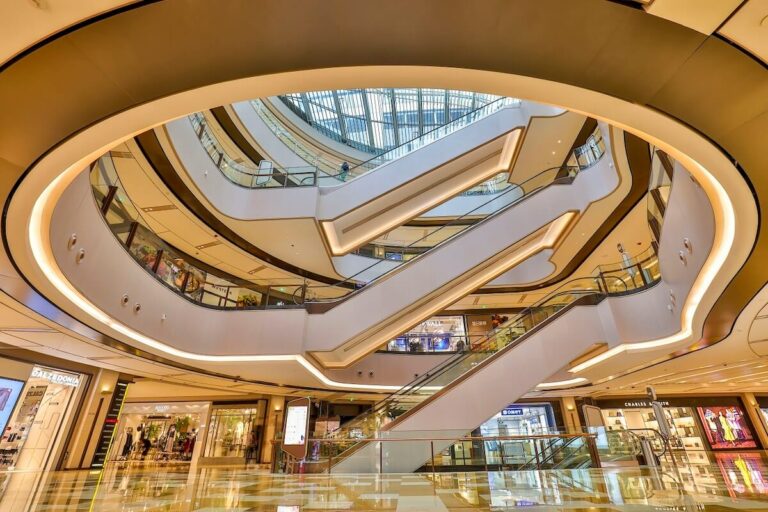
NikeSKIMS, Birkenstock and Starbucks Reserve chose HKRI Taikoo Hui for major China debuts. Why the Shanghai complex keeps winning new…
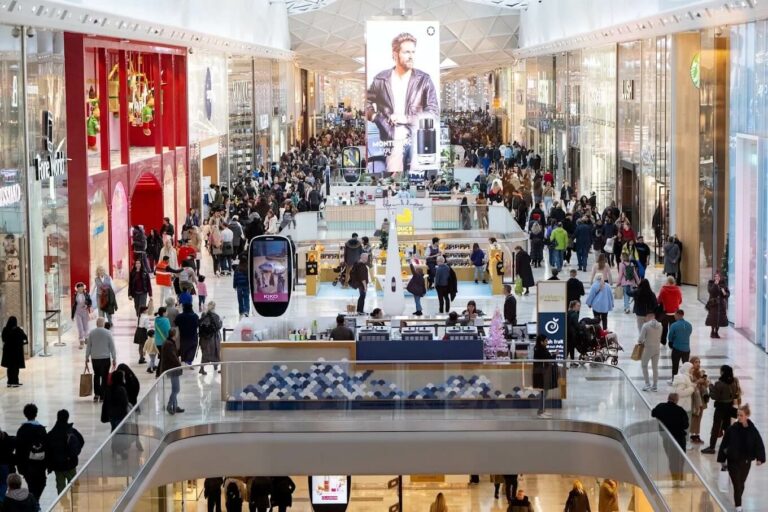
Bluewater opens its first new anchor since 1999. Next takes the former House of Fraser space with about 132,000 square…
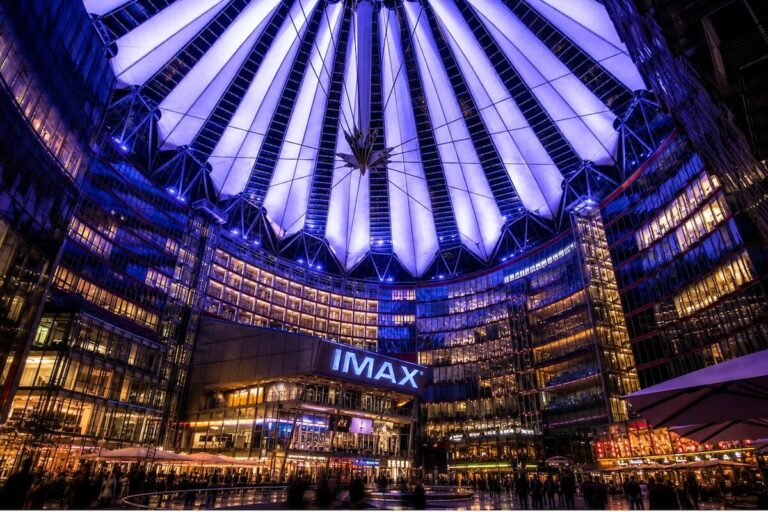
Opening in IMAX 70mm on July 17, 2026: Christopher Nolan's The Odyssey. Select shows went on sale one year in…

European retail is scaling AI, agentic commerce and retail media, but consumer trust is becoming the constraint. Four structural shifts…

Mall operators are no longer leasing space for pop-ups. They are selling audience access.
