

Nike and RTFKT have announced a new collection of Nike Dunk Genesis Cryptokicks sneakers.
Major athletic apparel and footwear manufacturer Nike continues to invest in the meta universe. With the acquisition of virtual sneaker designer RTFKT in December 2021, the company gained a leadership position in the metaverse. As a result, the program is bringing in the corporation’s first profit today.
Nike and RTFKT have announced a joint collection of virtual Nike Dunk Genesis Cryptokicks sneakers that feature 20,000 NFTs. Digital vials cost $250 each and can be used to customize the sneakers. As for the sneakers themselves, cryptocurrency owners purchase them for an average price of about $8,000.
There are some models with sharp skins that sell for incredible prices. The most expensive sneakers sold for more than $130,000, and the rarest Alien bottle sold for $449,000. According to RTFKT, NFT owners can also “evolve” their skins by performing certain tasks.
It is unclear whether token holders will be able to purchase real-world equivalents of merchandise. Snapchat already has an augmented reality filter for wearing new models.
Nike and Adidas continue the race to enter the meta universe. Into The Metaverse is a collection of 30,000 NFTs launched by the German brand in partnership with Bored Ape last December. Other global brands followed a similar strategy, including Dolce & Gabbana and Gucci. Additionally, Adidas became an asset owner in Sandbox, while Nike invested in Roblox.
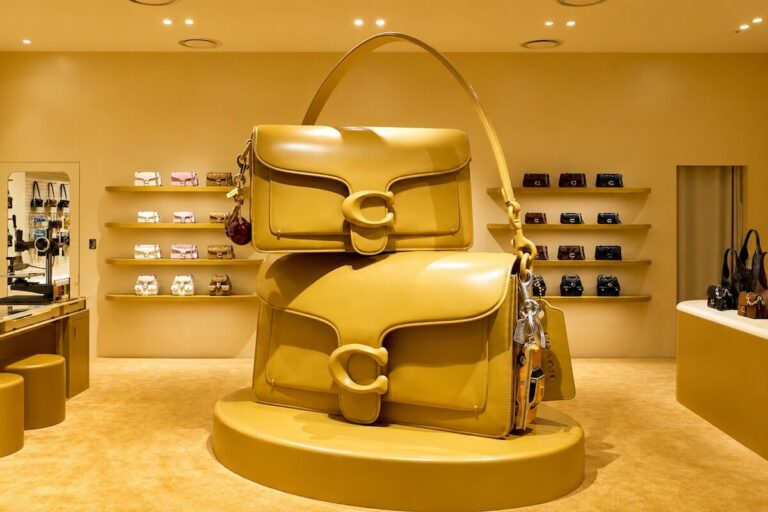
Gross margins and selected profit metrics for Coach, Pop Mart, lululemon, Miniso, Five Below, TJX and Costco, plus where each…

NikeSKIMS, Birkenstock and Starbucks Reserve chose HKRI Taikoo Hui for major China debuts. Why the Shanghai complex keeps winning new…
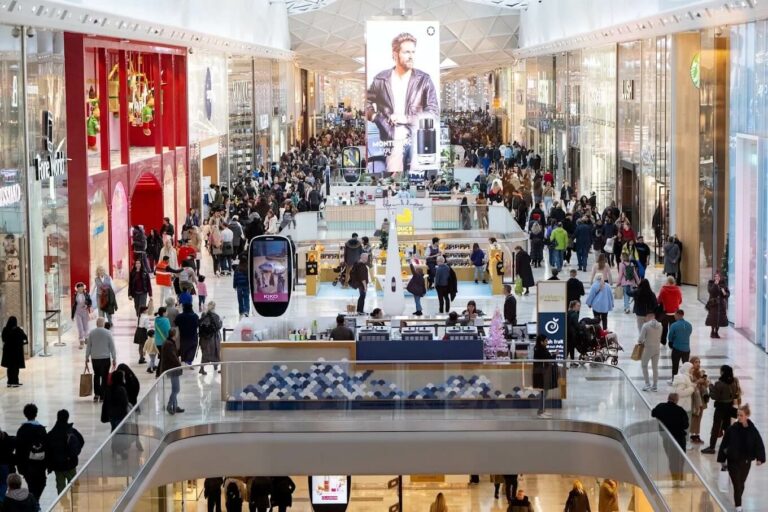
Bluewater opens its first new anchor since 1999. Next takes the former House of Fraser space with about 132,000 square…

Opening in IMAX 70mm on July 17, 2026: Christopher Nolan's The Odyssey. Select shows went on sale one year in…

European retail is scaling AI, agentic commerce and retail media, but consumer trust is becoming the constraint. Four structural shifts…
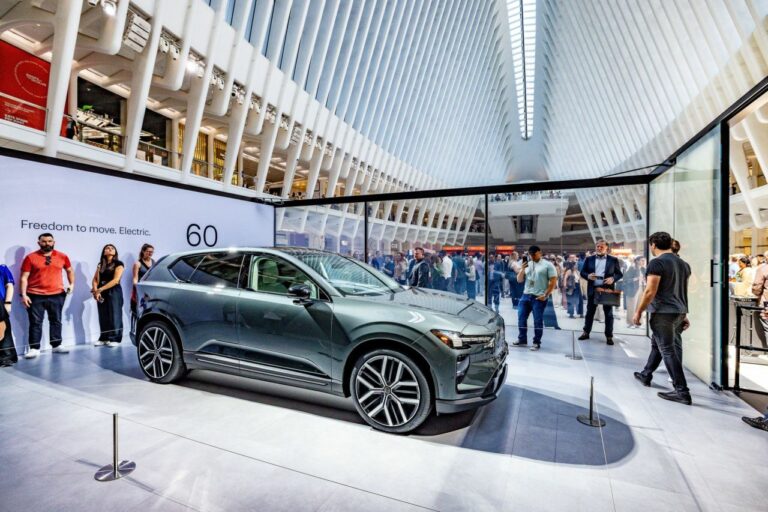
Mall operators are no longer leasing space for pop-ups. They are selling audience access.
