

Developed by Amazon engineers, Scout bots will now be used for delivery in Atlanta, Georgia, and Franklin, Tennessee.
So far, everything is in test mode, and for the first time, the Scouts, whose number is still small, will be accompanied by a representative of the company. For buyers, nothing will change: they will be able to place orders as usual, and they will be able to bring their standard delivery service and a cute six-wheeled robot, the size of a small freezer, which looks more like a lunar rover. Robotic delivery will take place between Monday and Friday afternoon.
Amazon Scout is equipped with cameras and sensors that allow you to overcome a variety of obstacles that can only be encountered on city streets. The battery can cover decent distances at a fast pace. The luggage compartment is spacious enough to carry a relatively large order.
Earlier this week, Amazon initiated the launch of automated delivery in Irvine, California, and Snohomish County, Washington, following a series of announcements from the company. Using Amazon Scout in different climatic zones will allow you to better “roll” the technology before its widespread introduction.
The company expects robots in delivery to become commonplace by 2040. It is another step towards Amazon’s goal of zero CO2 emissions. Against the backdrop of the coronavirus pandemic, robot delivery may become more attractive to customers than the usual human courier delivery.
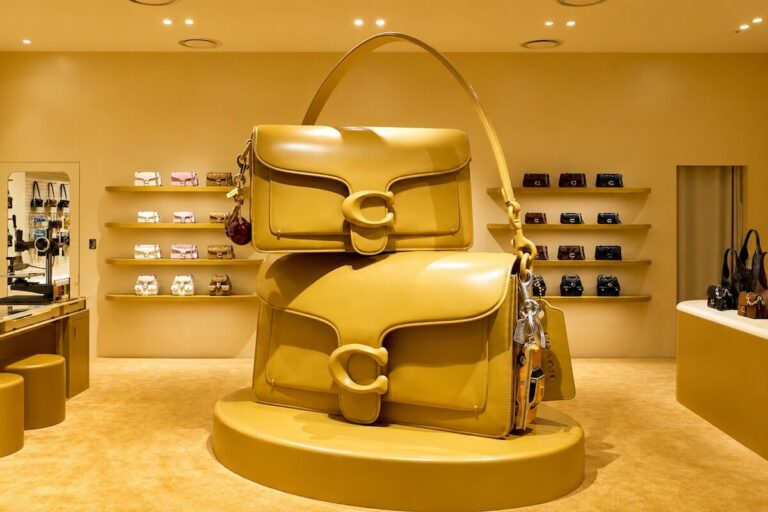
Gross margins and selected profit metrics for Coach, Pop Mart, lululemon, Miniso, Five Below, TJX and Costco, plus where each…
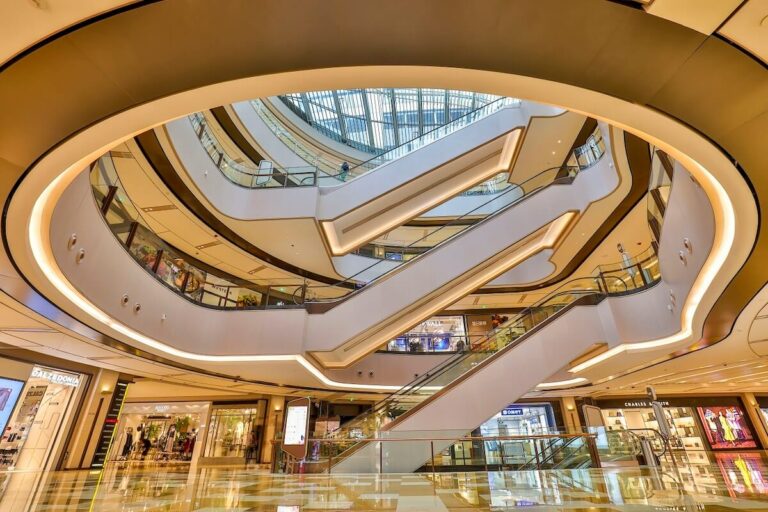
NikeSKIMS, Birkenstock and Starbucks Reserve chose HKRI Taikoo Hui for major China debuts. Why the Shanghai complex keeps winning new…
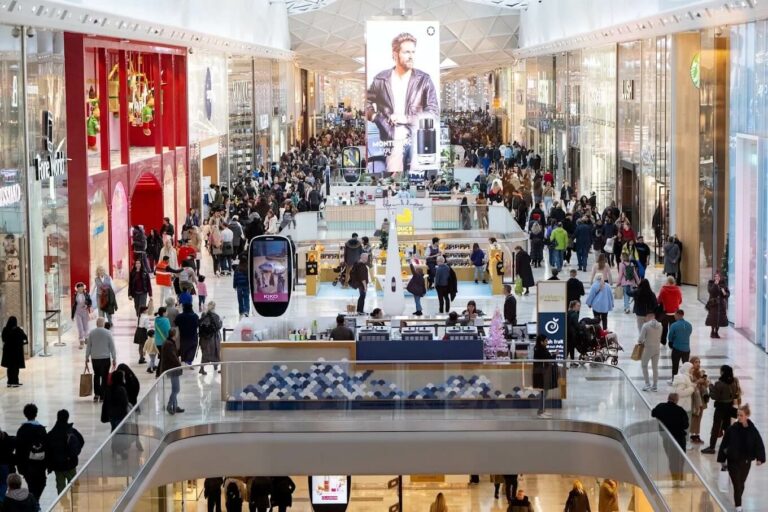
Bluewater opens its first new anchor since 1999. Next takes the former House of Fraser space with about 132,000 square…
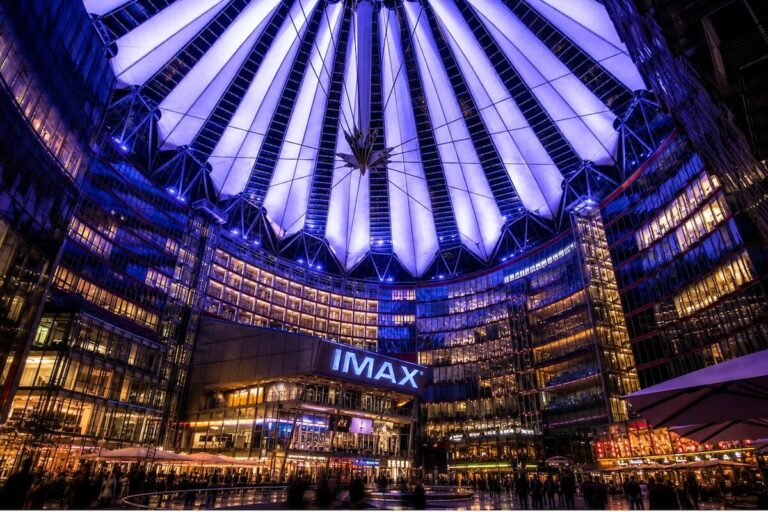
Opening in IMAX 70mm on July 17, 2026: Christopher Nolan's The Odyssey. Select shows went on sale one year in…

European retail is scaling AI, agentic commerce and retail media, but consumer trust is becoming the constraint. Four structural shifts…
Mall operators are no longer leasing space for pop-ups. They are selling audience access.
